SNGP Fellows: Cohort II
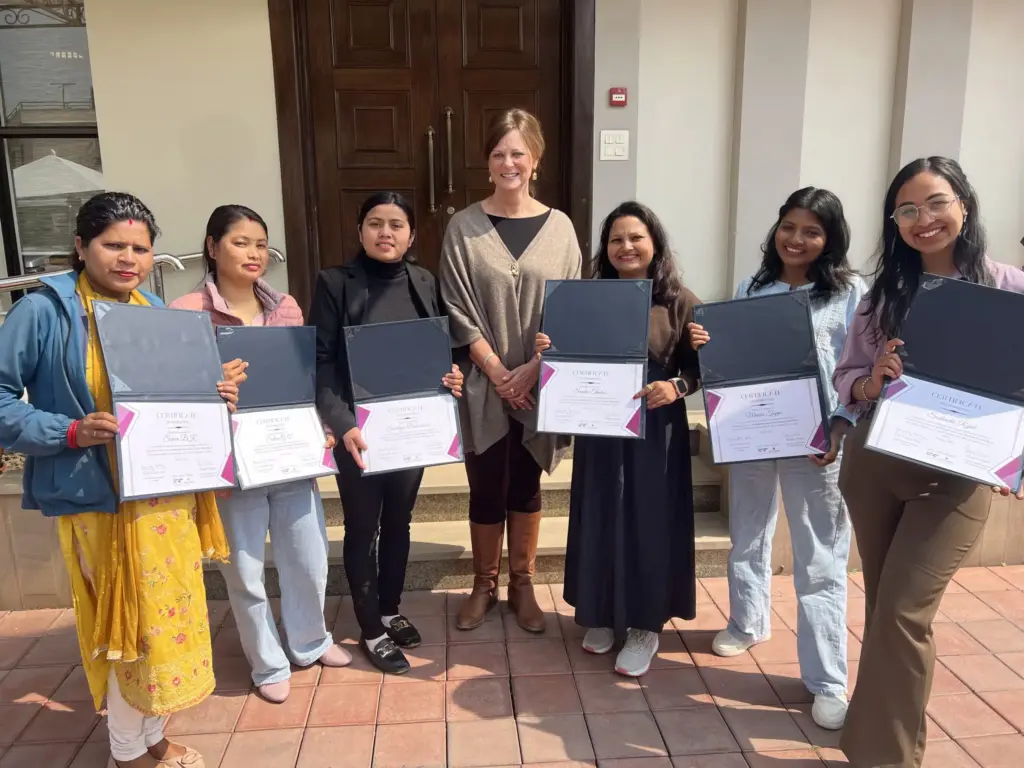
The second cohort of our Subnational Governance Program (SNGP) in Nepal completed their yearlong fellowship with a graduation ceremony at the Foundation’s Kathmandu office. The fellowship, launched in 2021 by SNGP through a strategic partnership with the Australian Department of Foreign Affairs and Trade, aims to equip fellows with an in-depth, practical understanding of local government’s core functions, foster leadership and professionalism, and build human capital in marginalized communities for democratic participation and engagement. Seven strategic partner municipalities onboard fellows and place them in various government institutions within their respective municipalities. Through personal experience, the fellows learn about the systems and functions of local governments, judicial affairs, policymaking, service delivery, and the budgeting processes.
Australian Ambassador to Nepal Felicity Volk, SNGP Team members, and the third cohort of recently onboarded SNGP Fellows attended the event where graduating fellows shared reflections on their technical and interpersonal growth from the program. They emphasized how it has helped structure their professional goals and gave their observations on how the program supports communities by providing better access to services. They also offered recommendations for planning future fellowship programs. Ambassador Volk reiterated the importance of fellowship programs like SNGP, which enable women to have the confidence to approach demanding roles. She also highlighted the value of learning from mistakes and encouraged them not to fear what they don’t know and to surround themselves with supportive individuals who facilitate growth.
The event also featured the release of the second cohort’s video where they recall their experience as SNGP Fellows, their learnings and takeaways, and their message to the next cohort.

Merina Toppo, Damak
Education: Bachelor’s in Business Studies (awaiting final year result)
She represents a highly marginalized indigenous community called ‘Uraw’, also a minority group in Nepal. Previously, she worked as a surveyor for the World Food Program in Jhapa and as a volunteer for the livelihood support program by Caritas.
“I want to develop my practical knowledge of the functioning of the local government processes. At a personal level, I plan to develop my leadership capabilities and professional skills”.

Sunita Thakur, Mithila
Education: Master’s in Political Science and English
Sunita represents the Madhesi community’s Hajam Thakur caste – one of the marginal ethnic groups in Madhesh, Nepal.
“During this fellowship, I aim to understand my community and the functioning of the local government by learning about the good and bad aspects. The areas of local governance I would focus on are public relations, women empowerment, good governance, and child health care”.
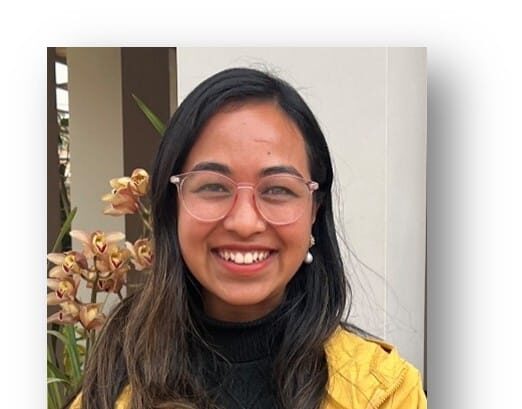
Sushmita Rijal, Bhimeshwor
Education: Bachelor’s in Business Studies (third year)
Being a Dalit woman, she has greater insights into her community’s issues. She has also worked as a teacher in a private school in the municipality.
“I have realized that most people, even educated ones, are not fully aware of the process and functioning of a municipality. I take this fellowship as an excellent opportunity to learn more about this. I want to gain knowledge on the local government’s role and responsibilities as envisioned in the Constitution 2015, its role in the empowerment of women and people with disabilities, and also the processes of local-level budgeting and planning”.

Salina G.T., Waling
Education: Bachelor’s in Education
Salina is from the Janajati community called ‘Magar.’ Her impressive learning attitude and focused approach toward career development inspired the municipality’s interview panel to recommend her for the program.
“At present, I am learning more about the various work areas of the local government by working in the administrative and women and children’s sections of the municipality. In this one-year fellowship, I hope to develop my skills to be able to pursue a professional career”.

Sandhya Bishokarma, Tansen
Education: Bachelor’s in Nepali
She has previously worked in the municipality as a water, sanitation, and health (WASH) supervisor and an office assistant at Palpa Durbar Museum. She represents the Dalit community.
“I want to learn more about the different areas of service delivery under the local government. During this fellowship, I would like to focus on how local government can play a role in strengthening gender equality and social inclusion and the collaboration between the Judicial Committee and the mediators in the municipality”.

Manisha Gurung (Saru Gurung), Birendranagar
Education: Master’s in Business Studies (first year)
She represents the Janajati community. Her curiosity to learn about the issues and rights of not only Janajati but also Dalit and minority communities, particularly in social justice and service delivery at the local level, has inspired her to get into this fellowship.
“I am already learning a lot under this fellowship by working at the municipality office. I am hopeful that I will be able to apply the learnings of this one year in my future aspirations and endeavors”.

Saran BK, Tikapur
Education: Bachelor’s in Education (awaiting final year result)
Despite many ups and downs, she’s pursued her education with the support of humanitarian funds from some development programs.
“Working at the municipality has helped me learn about the various processes to follow in order to provide different services and support to citizens. In addition, I want to build my knowledge of the various civil societies and other organizations within the municipality. Along with my personal development, the fellowship will refine my skills to pursue social work in the future”.